Is chemical peel safe for dark skin hyperpigmentation Treatment?
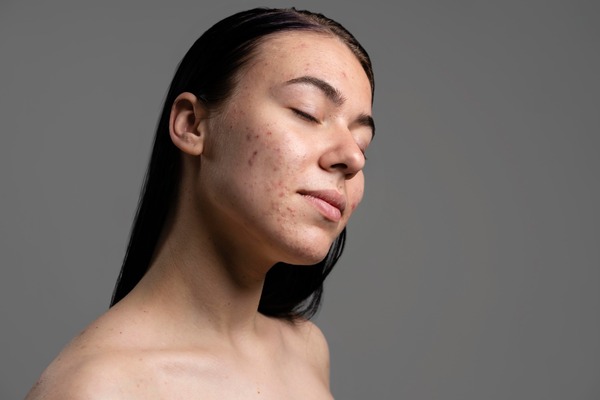
Hyperpigmentation treatment for dark skin is not a one-size-fits-all approach. If you’ve dealt with dark spots that simply won’t fade, you already know—this is not “just a skin concern.” It can affect confidence, emotional well-being, and how you feel when you step into a room.
So, when someone suggests a chemical peel, it’s natural to hesitate. Especially if you have a deeper skin tone. You deserve to know exactly what works, what doesn’t, and why professional care matters.
Understand Why Dark Skin Needs Special Attention
Darker skin tones contain more melanin, which protects from UV damage but also reacts more intensely to irritation or injury. This makes them more prone to post-inflammatory hyperpigmentation (PIH).
Using incorrect treatments can worsen the issue. That’s why professional supervision is non-negotiable. Dark skin requires a tailored and controlled method of resurfacing—chemical peels done right.
Know What a Chemical Peel Does
A chemical peel is a medical-grade solution that exfoliates the outer layers of your skin. This triggers controlled cell turnover and gradually fades hyperpigmented patches. Done properly, it leaves the skin smoother, more even-toned, and healthier.
Chemical peels vary in depth:
- Superficial peels target the uppermost layer.
- Medium-depth peels go deeper and require careful planning.
- Deep peels are rarely recommended for dark skin due to the increased risk of complications.
In darker skin tones, superficial to medium-depth peels using the right acids are the safest and most effective.
A Safe Peel Always Starts with a Plan
We always begin with a skin assessment. Every skin type reacts differently. Before any treatment, we analyze:
- Skin tone and thickness
- Severity of pigmentation
- Sensitivity history
- Lifestyle and skincare habits
This helps create a custom protocol—one that minimizes risk and maximizes results.
Your Skin Needs to Be Prepped Before the Peel
Peeling without preparation is unsafe—especially for dark skin. At Dr. V.S. Rathore’s clinic, we insist on a pre-peel skincare routine.
This typically includes:
- Gentle exfoliating cleansers
- Low-dose retinoids to boost turnover
- Moisturizers to improve the skin barrier
- Mandatory sunscreen to prevent UV-triggered flare-ups
This step trains your skin to handle the chemical peel and recover faster. We never skip it.
During the Peel: Every Layer Is Monitored
The actual peel process lasts around 15–30 minutes. We apply a carefully selected acid solution, such as:
- Glycolic acid (for mild exfoliation)
- Lactic acid (gentle and hydrating)
- Mandelic acid (ideal for sensitive dark skin)
- TCA (in controlled, low concentrations)
We observe your skin’s response in real time. The moment we see optimal results, the peel is neutralized. You are monitored throughout. No surprises, no discomfort beyond mild tingling.
Post-Care Is Not Optional—It’s Critical
Post-peel, your skin becomes more vulnerable. Without proper aftercare, you risk irritation or rebound pigmentation.
Our post-care includes:
- Barrier-repair creams
- Hydrating serums
- Sun protection (SPF 50+)
- Avoidance of heat, sweat, and sun exposure
We guide you through every day of recovery. Healing typically takes 5–7 days, with mild flaking. Your skin will gradually look more refined and even.
Results Improve with a Planned Series
Visible improvements begin after the first session. But deeper pigmentation may require 3–6 peels, spaced 4–6 weeks apart.
We map out a full treatment schedule. You’ll know what to expect—no hidden steps. And we reassess your skin after every session to adapt the protocol.
A Peel Is Not Just a Product—It’s a Partnership
Chemical peels, especially on dark skin, are a procedure—not a product. They demand skill, science, and ongoing supervision.
At Dr. V.S. Rathore’s clinic:
- We personalize every peel to your skin tone and pigment type.
- We prevent complications by preparing and monitoring closely.
- We ensure transparency in what’s used, why, and how.
- We follow up. Always.
This isn’t a spa facial—it’s medical-grade skin therapy. And we treat it as such.
Don’t Compare Chemical Peels with OTC Solutions
Drugstore creams or DIY remedies may show temporary lightening—but without professional insight, they often fail or worsen your skin.
Peels, when medically supervised, outperform creams because:
- They treat beneath the surface.
- They reset your skin cycle.
- They are tailored to your skin's biology.
You’re not guessing. You’re guided.
Ask the Right Questions Before You Choose a Peel
You should always ask:
- “Is this formulation safe for my skin tone?”
- “How will you prepare my skin?”
- “What ingredients are in the peel?”
- “What does post-care look like?”
- “How often should I come in?”
If your provider doesn’t answer with confidence, walk away. Trust only those who understand melanin-rich skin scientifically—not just cosmetically.
Key Facts You Should Know
- Yes, chemical peels are safe for dark skin—but only when designed specifically for it.
- No, they won’t bleach your skin. They restore your natural tone.
- Yes, results are gradual—not instant—but reliable with patience.
- No, you cannot skip sunscreen. Ever.
- Yes, consultation is mandatory—not optional.
Here’s What You Should Do Next
Take control of your skin story.
- Schedule a consultation with our clinic. We’ll assess your skin’s condition in detail.
- Start prepping your skin now—even before your visit. A gentle cleanser and SPF are a good start.
- Follow expert advice only. Avoid DIY shortcuts or trending peels not made for dark skin.
Let’s build your skin’s strength, clarity, and resilience—safely and professionally.
You bring your commitment. We bring the science.
At Dr. V.S. Rathore’s clinic, we combine dermatological precision with an understanding of what darker skin truly needs. Let’s start with a consultation and take it one expert-guided step at a time.
Read more: Chemical Peels For Hyperpigmentation: Everything You Need To Know