Is Swelling and Shedding After Hair Transplant Normal? Find Out
You return home after the procedure is done and then the questions begin.
“Why is my forehead swollen?” “Why is the hair falling out?” “Is something wrong?”
For most patients, the anxiety that follows a hair transplant is not about the surgery itself, it is about the days and weeks after, when the scalp is changing in ways nobody prepared them for.
This blog breaks down what is normal, what to watch, and when to reach out to a doctor.
What Happens in the First 72 Hours
The scalp has just been through a surgical procedure. What it shows in the first three days is a direct response to that and not a sign that something has gone wrong.
What is normal:
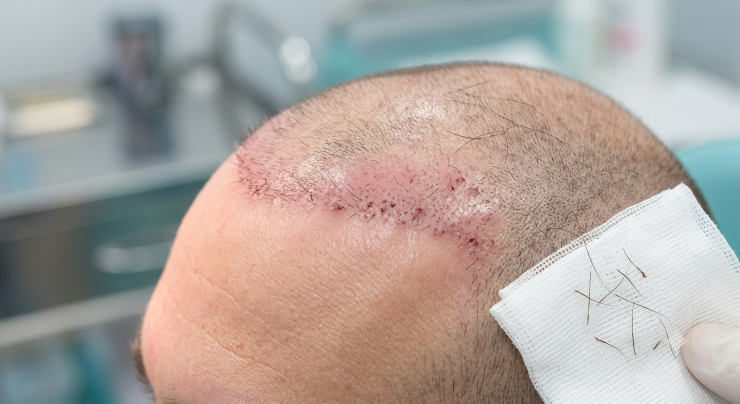
- Swelling around the forehead and eyes: fluid moves downward with gravity; this typically peaks on day two or three and resolves on its own within four to five days
- Redness at the donor and recipient areas: a natural inflammatory response as the scalp begins healing
- Small scabs forming around each graft: this is the scalp's way of protecting the newly placed follicles
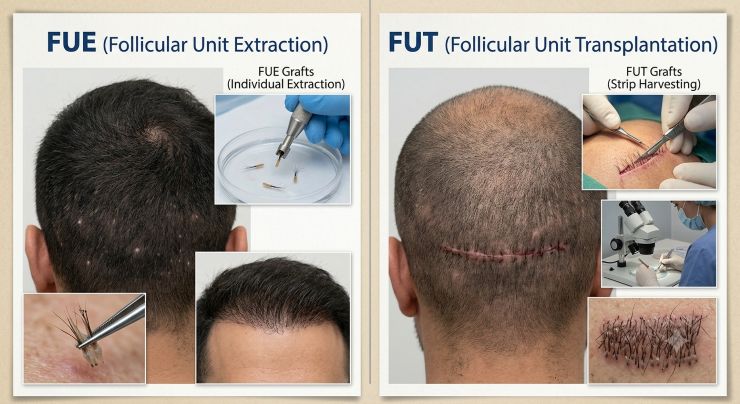
- Tightness or discomfort at the donor site: more noticeable in patients who have had a FUT procedure; manageable with prescribed medication
What is NOT normal in the first 72 hours:
- Excessive bleeding that does not slow with gentle pressure
- Fever above 38°C
- Severe pain that prescribed medication is not managing
- Grafts visibly coming out in numbers
Practical tip: Sleep with the head elevated at roughly 45 degrees for the first week. This reduces swelling significantly and protects the grafts from accidental contact with the pillow.
Please note: The information above is a general guide only. Every patient's healing response is different. In case of any discomfort or concern, consult your treating doctor for a personalised assessment rather than relying on general timelines alone.
Shock Loss: The Part Nobody Warns You About
Between two and four weeks after surgery, transplanted hair begins to shed. It can look alarming. Many patients assume the procedure has not worked, although it has.
Know what is actually happening:
- The hair shaft sheds, but the follicle underneath remains alive and intact
- This is called shock loss, a normal part of the hair growth cycle resetting after surgery
- In some patients, existing surrounding hair may also temporarily thin during this period
- This too typically resolves as the scalp heals
New hair growth from the transplanted follicles generally begins around three to four months after the procedure. Full results take longer, typically nine to twelve months.
Individual responses vary, some experience minimal shedding, others more.
Itching and Scabbing: Avoid Touching It
Itching after a hair transplant is extremely common and extremely important to manage correctly.
- Scabs form naturally around each graft as part of healing
- Scratching or picking at scabs, particularly in the first ten to fourteen days, can dislodge grafts before they have anchored securely
- Once a graft is dislodged in the early healing window, it does not re-attach
How to manage itching safely:
- Saline sprays as advised by the surgeon help keep the scalp clean and reduce irritation
- Prescribed antihistamines address itching from within
- Gentle washing technique, as specifically guided by the treating surgeon helps scabs shed naturally over time
If scabbing is still present beyond three weeks, or if itching is accompanied by unusual discharge or odour, raise it at the next follow-up appointment.
What Is Normal and When to Call Your Surgeon
Most post-transplant scalp changes are temporary and resolve on their own. This table helps distinguish what is part of normal healing from what needs clinical attention:
| What You Notice | What It Means | When to Act |
| Forehead and eye swelling | Normal healing response | Contact surgeon if persisting beyond day 5 |
| Redness at graft sites | Natural inflammation | Mention at follow-up if worsening after week 2 |
| Shock loss and shedding | Expected part of healing | Mention at follow-up if no regrowth by month 5-6 |
| Scalp numbness | Temporary nerve response | Mention at follow-up if persisting beyond 3 months |
| Itching and scabbing | Normal healing | Mention at follow-up if accompanied by discharge |
| Pus or unusual discharge | Possible infection | Contact surgeon promptly |
| Fever above 38°C | Requires attention | Contact surgeon immediately |
| Grafts visibly dislodging | Needs review | Contact surgeon promptly |
| Severe unmanaged pain | Requires attention | Contact surgeon immediately |
This table is a general reference only. Every patient heals differently. Always follow your treating surgeon's specific post-operative instructions over any general guideline.
The Emotional Side of Recovery
This part of the hair transplant journey is rarely discussed and it deserves to be.
The weeks between the procedure and visible regrowth can be genuinely difficult. Shock loss, temporary patchiness, and the long wait for results create real anxiety for many patients, even when everything is healing exactly as it should.
What helps most:
- Understanding the recovery timeline before the procedure, not after
- Knowing that shock loss is expected, not a sign of failure
- Attending follow-up appointments rather than self-assessing through the mirror
- Reaching out to the treating surgeon if a specific change feels concerning
Realistic expectations before surgery make the recovery period significantly easier to navigate.
Aftercare That Protects Your Results
Post-operative care directly influences how well grafts settle and how smoothly healing progresses.
| Aftercare Area | What to Do |
| Sleeping position | Head elevated at 45 degrees for the first week, reduces swelling and protects grafts |
| Sun exposure | Avoid direct sun on the scalp for at least four weeks post-procedure |
| Exercise | Light walking is generally fine within a few days; strenuous activity and sweating should be avoided for three to four weeks |
| Hair washing | Follow the surgeon's specific instructions on timing, water pressure, and technique; this matters more than the product used |
| What to avoid | Direct water pressure on grafts, styling products, heat tools, and scratching for the first several weeks |
Informed Patients Heal With Greater Confidence
Swelling fades. Shedding stops. Sensation returns. New hair grows.
The healing journey after a hair transplant follows a pattern and knowing that pattern in advance changes how patients experience it. What feels alarming without context becomes manageable with the right information.
For patients considering a hair transplant in Kolkata, understanding the recovery is as important as the procedure itself and it turns a difficult waiting period into a confident one. A thorough pre-operative consultation should always include a clear recovery timeline so patients know what to expect before they leave, not after.
Author:
Dr. V S Rathore
- M.B.B.S. (Hons) MS, M. Ch
- Plastic, Cosmetic & Reconstructive Surgeon
Frequently Asked Questions
Q1. Is it normal for hair to fall out after a transplant?
Yes. Shock loss or temporary shedding of transplanted hair is a normal part of the healing process. The follicle remains intact. New growth typically begins around three to four months post-procedure. Individual timelines vary.
Q2. How long does swelling last after a hair transplant?
Swelling around the forehead and eyes typically peaks on day two or three and resolves within four to five days. Sleeping with the head elevated in the first week helps reduce it. Individual responses vary.
Q3. Can I wash my hair normally after a hair transplant?
Not immediately. Hair washing technique and timing are critical in the first weeks. The surgeon will provide specific instructions on when and how to wash to protect the grafts. Following these precisely matters more than the product used.
Q4. When will I see the final results of my hair transplant?
Full results from a hair transplant in Kolkata are generally visible between nine and twelve months post-procedure. Early growth begins around month three to four. Patience through the recovery period is an important part of the process. Individual results vary.
Q5. How do I know if my hair transplant is failing?
Shock loss and temporary thinning are normal and not signs of failure. Genuine concerns such as no regrowth by month five or six, persistent discharge, or worsening pain should be raised with the treating surgeon at a hair transplant clinic in Kolkata rather than self-assessed.
Disclaimer: This content is for general educational purposes only and does not constitute medical advice. Individual results may vary. Please consult your treating doctor for a personalised assessment before starting any treatment.