How Lifestyle Habits Affect Hair Transplant Results
Many men invest in a hair transplant in Kolkata, expecting steady growth within months. They follow medication, eat well, and sleep properly. Yet, results sometimes feel slower than expected.
What most patients do not realize is this: hair transplant recovery care goes far beyond diet and rest. Exercise timing, stress hormones, posture, sun exposure, and even workplace habits quietly influence graft survival.
If you’ve recently undergone a hair transplant treatment or are planning one, understanding these factors can protect your investment and improve long-term growth.
Why Do Some Hair Transplants Grow Better Than Others?
Two patients can undergo the same technique and still see different outcomes. Why?
The answer lies in the healing phase.
After surgery, transplanted grafts go through:
- Revascularization (formation of new blood supply)
- Inflammation control
- Shock loss phase
- New growth activation (anagen phase)
The first 3–4 weeks are critical. During this time, anything that increases inflammation, reduces oxygen supply, or causes mechanical stress can affect follicle stability.
This is why structured hair transplant recovery care matters as much as surgical precision.
Does Stress Affect Hair Transplant Growth?
Yes, and more than most people assume.
Chronic stress increases cortisol levels. High cortisol narrows blood vessels and reduces oxygen delivery to healing follicles. It also disrupts the hair growth cycle, pushing follicles prematurely into the resting (telogen) phase.
Patients in high-pressure corporate jobs often notice delayed density despite technically successful surgery.
How Workplace Stress Slows Follicle Recovery
- Long hours reduce scalp circulation
- Constant mental stress raises inflammatory markers
- Poor posture compresses the grafted area
- Sleep quality suffers even if total hours seem adequate
Managing stress after a hair transplant treatment is not cosmetic advice — it is biological support for graft survival.
Short daily breathing exercises, brief movement breaks, and structured work hours during the first month can improve microcirculation significantly.
Can Exercise Timing Impact Graft Survival?
Many gym-goers ask when they can resume workouts. The timing matters.
Why Early Intense Workouts Can Increase Swelling
High-intensity exercise in the first 10–14 days can:
- Increase blood pressure
- Trigger scalp swelling
- Cause sweating around healing grafts
- Increase infection risk
Excess swelling may temporarily compromise blood flow to newly implanted follicles.
When Is It Safe to Resume Gym Training?
- Light walking: After 7–10 days
- Moderate workouts: After 3–4 weeks
- Heavy lifting: After 4–6 weeks
Gradual progression protects graft stability. Rushing back too early can slow visible growth.
Does Posture and Head Pressure Affect Early Growth?
This is rarely discussed, yet very relevant.
In the first few weeks, transplanted grafts are delicate. Constant backward pressure from:
- Car headrests
- Recliner chairs
- Office seating
- Long flights
can irritate the grafted area.
Sleeping flat on your back without proper support may also create mild tension.
Using a travel neck pillow during early recovery helps reduce friction and compression.
Small habits protect long-term density.
When Can You Start Scalp Massage After Hair Transplant?
Scalp massage improves circulation, but timing is critical.
Most surgeons recommend starting gentle massage after 3–4 weeks, once grafts are securely anchored.
Benefits include:
- Improved blood flow
- Reduced tightness
- Better nutrient delivery
Massage should be light, circular, and never aggressive. Done correctly, it supports stronger growth without disturbing follicles.
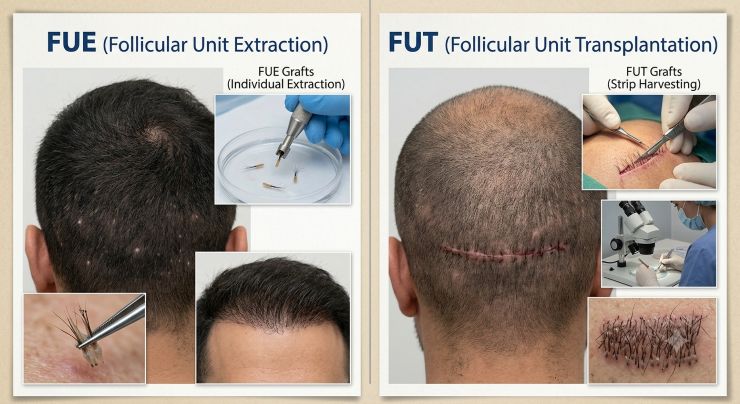
Always follow your surgeon’s guidance, especially if you had FUE or combined procedures.
How Sun Exposure Impacts Newly Transplanted Hair
UV exposure increases inflammation and pigmentation changes in healing skin.
During the first month:
- Avoid direct midday sun
- Do not expose grafts without protection
- Avoid sweaty outdoor activities
After 4 weeks, short exposure is generally safe, but protective caps (loose-fitting) are advisable.
For outdoor workers in Kolkata’s humid climate, this step is especially important.
Ignoring sun precautions can delay recovery and affect scalp texture.
Do Humidity, Pollution, and Skincare Affect Results?
Environmental exposure is often overlooked in discussions about hair transplant cost in Kolkata, yet it directly influences healing quality.
High humidity can:
- Increase fungal risk
- Trigger scalp irritation
Urban pollution may cause micro-inflammation around follicles.
Additionally, heavy styling products or oil-based serums too early can clog pores and irritate healing skin.
Best practices:
- Use mild, surgeon-approved shampoo
- Avoid strong chemical styling products for 6–8 weeks
- Keep scalp clean but not over-washed
Balanced hygiene supports long-term follicle health.
How Tension and Scalp Tightness Influence Growth
Scalp tension reduces microcirculation. Patients who clench their jaws, grind their teeth, or frequently raise their eyebrows unknowingly create chronic tension.
This matters because transplanted follicles rely on a strong blood supply during early adaptation.
Gentle stretching exercises and relaxation techniques reduce tension and support uniform growth patterns.
Why Holistic Recovery Matters in Hair Transplant in Kolkata
A successful procedure does not end in the operating room.
It continues through:
- Stress regulation
- Smart exercise timing
- Environmental protection
- Correct scalp care
- Reduced mechanical pressure
Patients who understand this see more predictable density and healthier long-term results.
At Dr. V.S. Rathore’s clinic, emphasis is placed not only on surgical precision but also on educating patients about post-procedure lifestyle factors that influence outcome quality.
If you are planning or have recently undergone a hair transplant in Kolkata, personalized recovery guidance can make a measurable difference.
Book a consultation to receive structured, evidence-based advice tailored to your lifestyle and work routine.
FAQs
1. Can stress cause transplanted hair to fall out?
Chronic stress increases cortisol, which may delay growth and prolong shock loss. Managing stress supports better blood circulation and healthier follicle recovery after transplantation.
2. When can I safely return to the gym after a hair transplant?
Light activity is usually safe after 7–10 days. Intense workouts and heavy lifting should wait 4–6 weeks to protect graft stability.
3. Does sunlight damage newly transplanted hair grafts?
Direct sun exposure in the first month can increase inflammation and delay healing. Use protective caps and avoid peak afternoon sunlight during early recovery.
4. Is scalp massage good after a hair transplant?
Yes, but only after 3–4 weeks when grafts are secure. Gentle massage improves blood flow and reduces tightness without disturbing follicles.
5. Can pollution and humidity affect hair transplant results?
Yes. Excess humidity and pollution can irritate the scalp and increase inflammation. Proper hygiene and mild products help maintain healthy follicle recovery.