Is a Hair Transplant Possible for Alopecia Hair Loss Condition?
Did you know, medical research has shown that nearly 2% of the world’s population is affected by alopecia areata condition!
Losing hair can be unsettling, but for people with this autoimmune condition, it often comes with added uncertainty. Alopecia is not gender biased; it can happen to both men and women, and may be hereditary for some.
If you’re suffering from alopecia areata, have already tried topical treatments, oral medications, but the patches persist or the regrowth doesn’t happen as you hoped — a hair transplant can be a viable option. Let’s take a closer look.
What is Alopecia Areata?
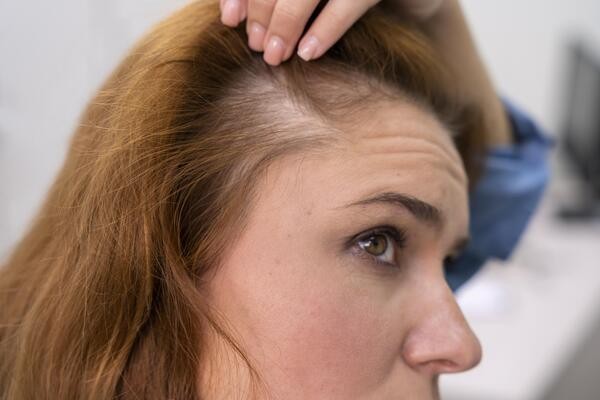
Alopecia areata is an autoimmune condition where the body’s immune system mistakenly attacks hair follicles, causing hair to fall out in small, round patches. In most cases, the scalp is affected, but it can also impact eyebrows, eyelashes, and beard areas.
Usually, the disorder happens during childhood or adolescence, but sometimes it may occur in adults as well.
The severity varies. Some people experience just one or two bald spots that may grow back on their own, while others have more widespread hair loss.
What are the Symptoms of Alopecia?
The most common signs include:
- Sudden appearance of small, smooth, bald patches on the scalp or other areas with hair.
- Tingling or mild discomfort in the affected area before hair falls out.
- Changes in nails, such as ridges or pitting (in some cases).
- Unpredictable regrowth—hair may grow back and then fall out again.
What Causes Alopecia Hair Loss?
The exact cause isn’t fully understood, but experts know it’s an autoimmune reaction. Common factors linked to alopecia areata include:
- Genetics – Family history can increase the risk.
- Immune system activity – Overactive immune response targeting healthy follicles.
- Stress or illness – Can act as a trigger for some people.
- Hormonal changes – In certain cases, shifts in hormone levels may contribute.
How Does Hair Transplant for Alopecia Work?
Hair transplant surgery involves taking healthy hair follicles from a “donor area” (usually the back or sides of the scalp) and implanting them into the bald patches.
In alopecia areata, transplants are only recommended if the condition is stable—meaning no new patches have appeared for a significant period and there is no active inflammation.
The goal is to restore natural-looking hair growth in the affected spots. However, success depends heavily on whether the autoimmune activity has calmed down.
Types of Hair Transplant Treatment for Alopecia Areata
While surgical methods remain the mainstay for restoring hair in stable alopecia areata, modern techniques often integrate supportive therapies to improve outcomes.
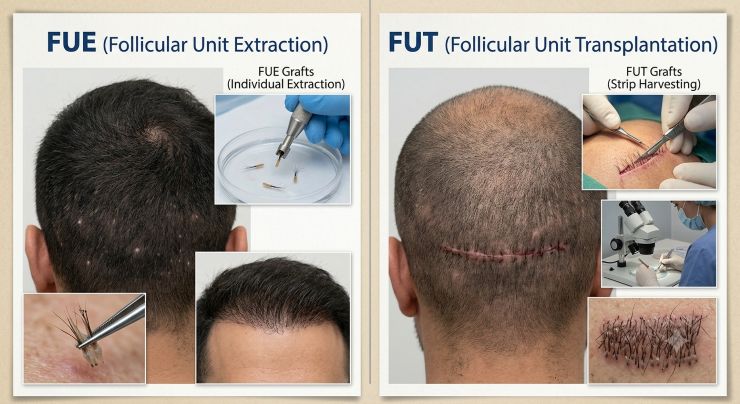
- FUT (Follicular Unit Transplantation) – A thin strip of scalp with healthy hair is removed from the donor area, and individual follicular units are separated under a microscope before being transplanted into the bald patches.
- FUE (Follicular Unit Extraction) – Individual hair follicles are extracted directly from the donor site and implanted into the affected area. This method leaves minimal scarring and has a shorter recovery time.
- Stem Cell Therapy – A regenerative treatment often used alongside or before a hair transplant. Stem cells (usually derived from the patient’s own body) are injected into the scalp to stimulate dormant follicles, encourage healing, and improve the success rate of transplanted hair.
While it’s not a standalone cure for alopecia areata, it may help create a healthier scalp environment for better graft retention. - PRP (Platelet-Rich Plasma) Treatment – Involves drawing a small amount of the patient’s blood, processing it to concentrate growth factors, and injecting it into the scalp. When used in combination with hair transplant surgery, PRP can promote faster healing, improve blood supply to the transplanted follicles, and enhance overall regrowth quality.
Related Content:
■ Top 5 Cosmetic Treatments Using Stem Cell Therapy To Redefine Beauty
■ Stem Cell Therapy vs. PRP: Which Hair Loss Treatment Is Right For You?
Difference Between Alopecia Areata Hair Loss and Normal Hair Loss
According to our expert Hair Transplant Specialist, Dr. V.S. Rathore, when considering a hair transplant, it’s important to understand that not all hair loss is the same. Alopecia areata behaves differently from common pattern baldness or seasonal shedding, and this affects treatment decisions, timing, and results.
Here’s a table highlighting the key differences, including how hair transplants compare in each case—
| Factor | Alopecia Areata Hair Loss | Normal Hair Loss (Pattern Baldness / Shedding) |
| Cause | Autoimmune disorder where the immune system attacks hair follicles. | Hormonal changes, genetics, age-related thinning, stress, or seasonal shedding. |
| Pattern | Sudden, patchy bald spots; may affect scalp, eyebrows, beard, or body hair. | Gradual thinning, receding hairline, or diffuse shedding over time. |
| Hair Transplant Approach | Only suitable in stable cases with no active inflammation; requires careful assessment. | Commonly performed; suitable for most healthy candidates with adequate donor hair. |
| Cost | Usually higher due to need for specialized evaluation and integrated treatment plans. | Typically standard pricing based on graft count and technique (FUE/FUT). |
| Success Rate | Varies—good in stable cases but risk of recurrence if alopecia becomes active again. | High success rates when performed by an experienced surgeon, with predictable regrowth. |
| Candidate Eligibility | Must have stable alopecia (no new patches for 1–2 years), healthy donor hair, and small localized bald spots. | Most individuals with male or female pattern hair loss who have adequate donor hair. |
| Level of Permanence | Permanent in stable cases; may not last if the condition flares up. | Permanent for transplanted hair, as donor follicles are resistant to hormonal shedding. |
Dr. V.S. Rathore further explains, If the circumstances are right, hair transplant can be an effective solution for alopecia areata. The key is stability—no active hair loss for at least a year, healthy donor follicles, and realistic expectations.
While surgery can restore hair in affected patches, patients must understand that alopecia is unpredictable, and even transplanted hair can be vulnerable if the condition flares again. A thorough medical evaluation is the first and most important step one must take.
Benefits and Risks of Hair Transplant for Alopecia Condition
Benefits:
- Permanent restoration in stable areas.
- Natural hair growth and appearance.
- Improved self-esteem and confidence.
Risks:
- Hair loss can recur if alopecia becomes active again.
- Potential for scarring or infection.
- Not suitable for unstable or widespread alopecia areata.
So, Does Hair Transplant Work for Alopecia Areata?
Yes—but only in certain cases. A hair transplant can be considered when:
- The alopecia is stable for at least 1–2 years (no new patches appearing).
- Bald spots are small and localized.
- There is no inflammation in the scalp.
- The donor area has thick, healthy hair.
If your alopecia is still active or the patches are widespread, doctors usually recommend medical treatments first. This is because even transplanted hair can be lost if the autoimmune activity restarts.
No more hiding under caps, Get a Hair Transplant Treatment for Stable Alopecia Areata
If you think your alopecia has become stable and you’re ready to explore permanent solutions, book a consultation with Dr. V.S. Rathore at Kaayakalp. With the right diagnosis and expert care, you can make an informed decision about restoring your hair and confidence.
However, remember that a Hair transplant surgery can offer lasting results only for people with stable alopecia areata. It is not a one-size-fits-all solution. An experienced hair transplant specialist in Kolkata will assess your scalp, donor hair, and disease stability before recommending surgery.
Stay safe and beautiful with the right knowledge and solution.
Below are a few commonly asked questions answered that we often hear from our patients. Hope it will help you with better understanding of problems and solutions.
Yes, but only in specific circumstances. A hair transplant can be considered if the alopecia areata is stable—meaning no new bald patches or hair loss activity for at least 1–2 years. The donor area must also have healthy, dense hair follicles.
In stable cases, success rates can be comparable to those for pattern baldness, often 70–90% depending on the technique and individual health factors. However, if alopecia becomes active again, even transplanted hair may be affected.
Yes, in many cases, hair regrows naturally within months, though the cycle of loss and regrowth can repeat. Medical treatments such as corticosteroids, minoxidil, or JAK inhibitors may help stimulate regrowth in active cases before considering surgery.
It depends on the stage and activity of your condition. If your alopecia is active, surgery is not recommended. For those with stable alopecia, limited bald patches, and good donor hair, a hair transplant can restore natural-looking hair. A detailed consultation with an experienced surgeon like Dr. V.S. Rathore will help determine if you’re a suitable candidate.
Costs can vary widely depending on the number of grafts needed, the technique (FUE, FUT, or robotic), and the clinic’s expertise. On average, prices can range from ₹40,000 to ₹1,50,000 or more. Specialized cases like alopecia may require additional treatments such as PRP or stem cell therapy, which can influence the overall cost.
If the alopecia remains stable, transplanted hair can last a lifetime, just like in pattern baldness cases. However, if the autoimmune activity restarts, there’s a risk of losing some or all of the transplanted hair. Regular follow-ups and preventive care can help maintain results for longer.